403 Forbidden
ERR_WEB_NGX_403

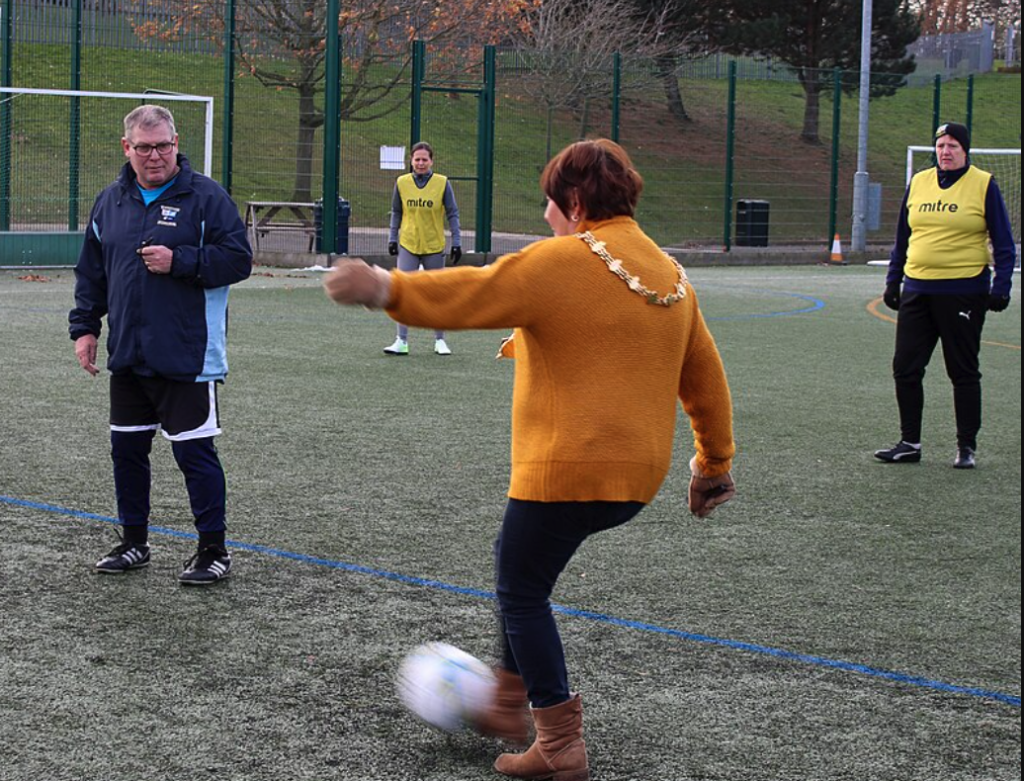
Whether you’re getting on a bit, trying to lose weight or struggling with a disability, walking football could be a great way to get fun and enjoy the thrill of grassroots football with like-minded people.
But how do you play? What are the rules? And where can you play walking football in the UK? We aim to answer all of these questions and more! Read on for vital information on how to play walking football and a few top tips for getting the most out of the game.
Walking football is a modified version of traditional football. The game was designed to minimise the risk of injury and make football accessible for people with mobility issues.
The fundamentals of walking football will be pretty familiar to anyone who has ever played or watched a game of football. While the ultimate objective is to score more goals than the opposition, there are a few clear differences.
Players must not run or jog at any time. If two feet leave the floor at the same time, the opposition is awarded a free-kick.
Walking football is predominantly a non-contact sport. While there will inevitably be a little contact, players aren’t allowed to tackle, nudge, push or jostle.
The playing area is smaller than traditional football pitches. The specific dimensions can vary, but it's usually a rectangular field with reduced length and width. A lot of short-sided pitches in the UK host regular walking football matches these days.
Walking football in the UK requires smaller goals than those used in the traditional game. Goal sizes typically range between three metres and five metres in width and 1.2 metres two metres in height. These goal size specifications ensure that walking football remains a low-impact and safe sport for participants.
There are usually no throw-ins in walking football. Instead, players must kick the ball into play from behind the sidelines.
Slide tackles are not allowed in walking football under any circumstances.
You can find walking football games and sessions across the UK. They are often held at local sports centres, community pitches and even some professional football clubs. Check out the Walking Football Association’s website for details of clubs in your area.
You’ll be hard pressed to find a more inclusive and welcoming sport than walking football. If you have a passion for the game and can commit to at least one session a week, you’re likely to be welcomed with open arms.
Most walking football matches take place on short-sided pitches, including five-a-side pages in sports centres and outdoor astroturf pitches. If you have two regulation goals and a pitch, you can enjoy a game of walking football. If you’re playing in a competitive game, you’ll need the following:
So you’ve found a local football club and you’re preparing for your first match. Here are a few tips to ensure you get the most out of your experience:
Looking for a walking football club in your area? Here are a few tips to assist you in your search.
Utilise online directories dedicated to walking football clubs. Websites like The WFA Club Directory, Walking Football World, and Walking-Football.com provide comprehensive listings of clubs in the UK and beyond. Use their search functions to find clubs in your area.
If you're an older adult looking to join a walking football club, check out the Age UK Walking Football Programme. They aim to reach older people in communities across England and can help you find a suitable club.
Contact your local sports centers or leisure facilities. They often host walking football sessions or can provide information on nearby clubs.
Explore social media platforms like Facebook and Twitter. Many walking football clubs have active social media pages where they share updates and information about their sessions. Join local sports groups or forums to connect with like-minded individuals who can recommend clubs.
Consider attending a session as a trial. Most clubs allow newcomers to try out a session before committing. This way, you can get a feel for the club's atmosphere and playing style.
Some regional football associations may have information about walking football clubs in their area. Check with your local FA for guidance.
Once you’ve joined a walking football club, make sure you put everything into it if you want to make the most of this increasingly popular sport.
Walking football is an excellent way to stay active, so focus on enjoying the physical activity and its health benefits. Embrace the opportunity to maintain fitness, improve cardiovascular health, and have fun while doing it.
Walking football is a team sport, so cooperation is key. Work together with your teammates to create scoring opportunities and defend effectively. Remember, success is often a collective effort.
Given the slower pace, ball control becomes crucial. Spend time practicing dribbling, passing, and shooting. Good ball control can make your experience more enjoyable as you actively participate in the game.
Adhere to the rules of walking football, such as no running and no slide tackles. Respecting these rules ensures a safe and fair game for everyone involved.
One of the most enjoyable aspects of walking football is the social interaction. Take time to chat with your fellow players, build friendships and enjoy the sense of community that comes with the sport. If walking football isn’t fun, you’re not doing it right!
If you’re playing or hosting walking football matches, you’ll need two portable football goals, some high-quality footballs and various items of matchday equipment. Check out The Soccer Store for premium walking football equipment, and get your career off to the best possible start.